
I. Introduction
With the continuous improvement of my country's road infrastructure, highway construction has shifted from a construction-oriented "infrastructure era" to a maintenance-oriented "maintenance era." Whether it's urban elevated roads or expressways, the risk factor for road maintenance work remains high. Heavy traffic, high speeds, and complex traffic conditions make ensuring the safety of road maintenance personnel and equipment a focus of public attention.
In addition to strictly adhering to national and industry standards and regulations, various regions have also issued local standards or documents related to safe operations, imposing strict requirements on aspects such as the provision of safety facilities and strengthening road construction safety management.
II. Local Standards
1. Both GB 5768.4-2017 "Road Traffic Signs and Markings" Part 4: Work Zone and JTG H30-2015 "Highway Maintenance Safety Operation Regulations" propose that vehicle-mounted crash barriers can be installed as needed to reduce the severity of collision accidents in the work zone.
2. The "Implementation Regulations for Safe Operations of Highway and Expressway Maintenance and Repair in Shanghai (Trial)" issued by Shanghai Municipality in April 2017 stipulates that crash buffer vehicles or mobile marker vehicles should be deployed as required during maintenance and repair operations. When manual mobile maintenance operations such as shoulder sweeping and greening maintenance are carried out in the emergency lane of the highway, crash buffer vehicles should also be deployed.
3. The "Guidelines for Safety Standardization of Daily Maintenance Operations on Highways," compiled by Guangdong Provincial Transportation Group, recommends the use of vehicle-mounted crash mats and other safety facilities when setting up maintenance operation control zones.
4. In August 2021, the Zhejiang Provincial Highway and Transportation Management Center and the Zhejiang Provincial Public Security Department Traffic Management Bureau jointly issued the "Guidelines for the Use of Crash Buffer Vehicles on Zhejiang Highways (Trial)," which recommends the use of crash buffer vehicles for highway maintenance construction, obstacle removal, and rescue operations to improve the early warning and protection capabilities for highway road-related operations and prevent and mitigate safety risks at the source.
5. On December 2, 2019, the Ministry of Industry and Information Technology of China issued Announcement No. 48, approving 311 industry standards. Among them, QC/T 1129-2019 "Rear Collision-Absorbing Devices for Special Vehicles" will be implemented on April 1, 2020. This standard applies to collision-absorbing devices installed at the rear of dangerous goods transport vehicles and special-purpose vehicles. Collision-absorbing devices installed at the rear of other vehicles may refer to this standard.
III. The Necessity of Collision-Absorbing Vehicles
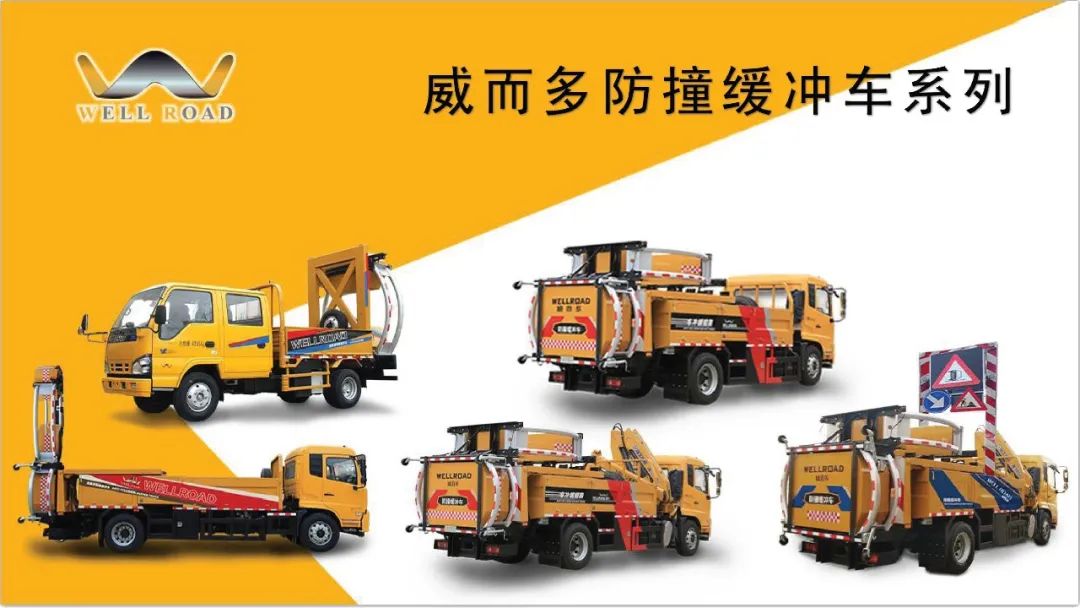
The protective buffer vehicle is placed behind the road construction and management work area. Its purpose is to create a safety protection and impact buffer zone between the vehicle involved in the accident and the construction and management work area in front. In the event of a collision caused by improper driving, it can effectively protect the workers, their equipment, and vehicles in front from damage, effectively reduce the impact force on the occupants of the vehicle involved in the accident, reduce the degree of impact deformation of the vehicle body, and prevent secondary accidents caused by the rebound of the vehicle involved in the accident.


Industry News 2025-04-08
TATU Highway Group wins first prize in the China Highway Society Maintenance Engineering Innovation Competition
Industry News 2025-04-08
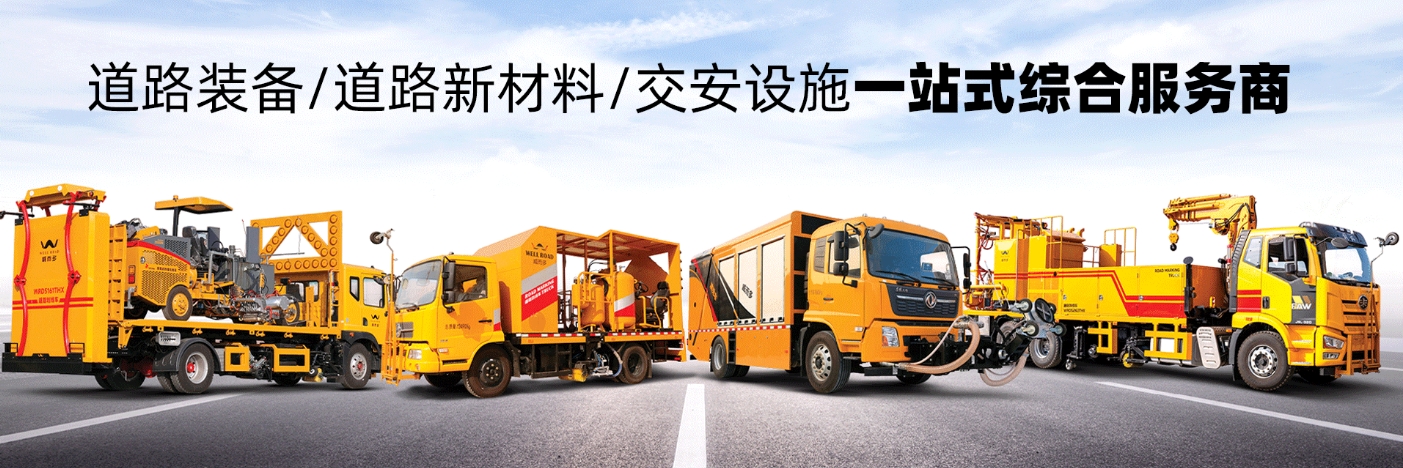
Large-scale road marking construction equipment; a one-stop global supplier of special road equipment.

Industry News 2023-07-26
TATU Highway Group – WELL-ROAD: Leading the way at the Shanghai International Transportation Exhibition!