
 All news
The Truth About the Crash Attenuator Truck Market: Competing on Price Without Compromising Safety



As road network maintenance becomes increasingly routine, demand for emergency highway repairs, municipal road construction, and road marking projects continues to grow. Crash attenuator trucks have become essential safety equipment for many road construction projects. While rising demand should be a positive sign for the industry, contractors and rental service providers are facing a growing challenge: finding a crash attenuator truck is relatively easy, but finding one that is fully certified, properly equipped, and compliant with safety requirements is becoming increasingly difficult.
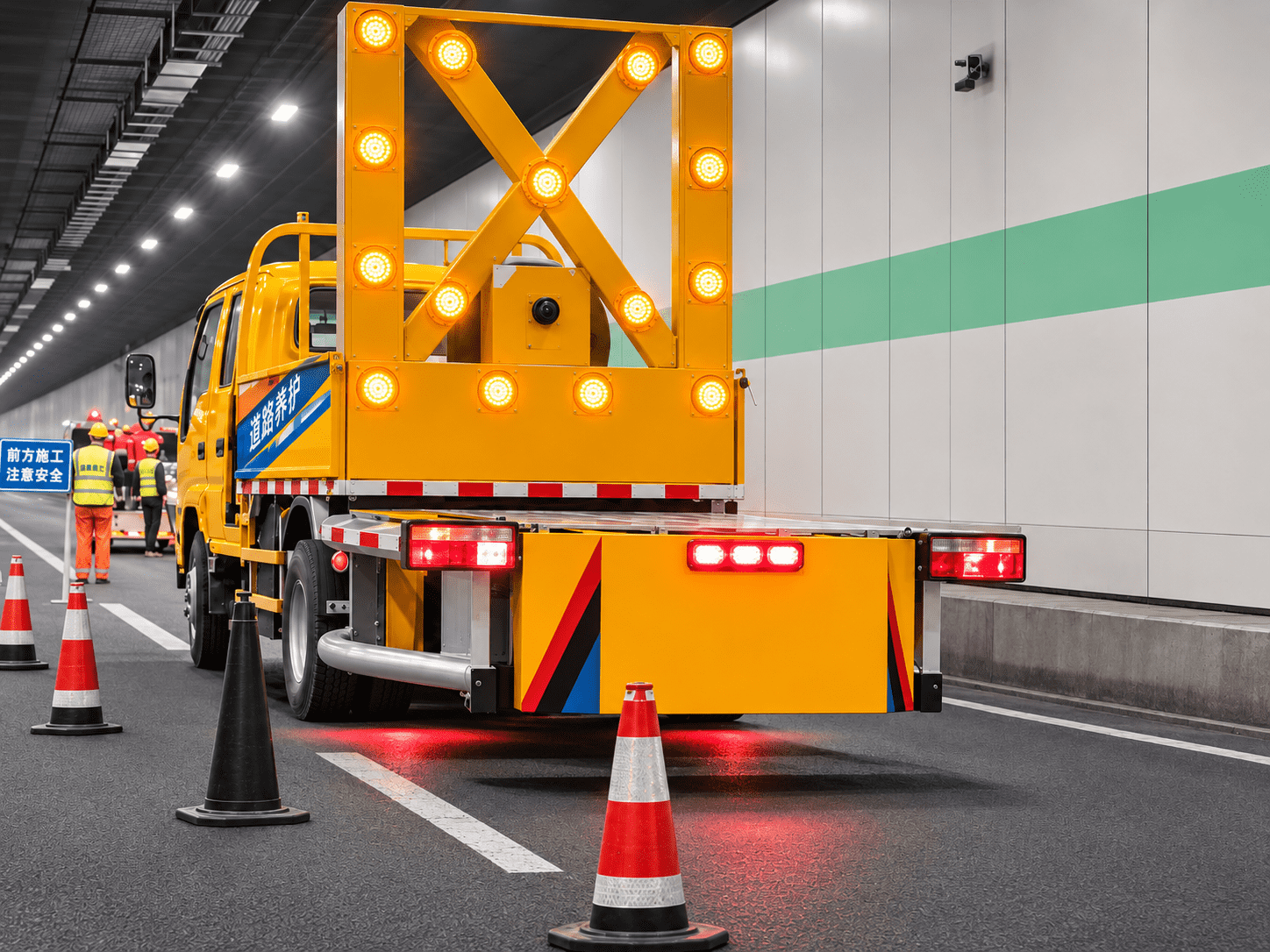
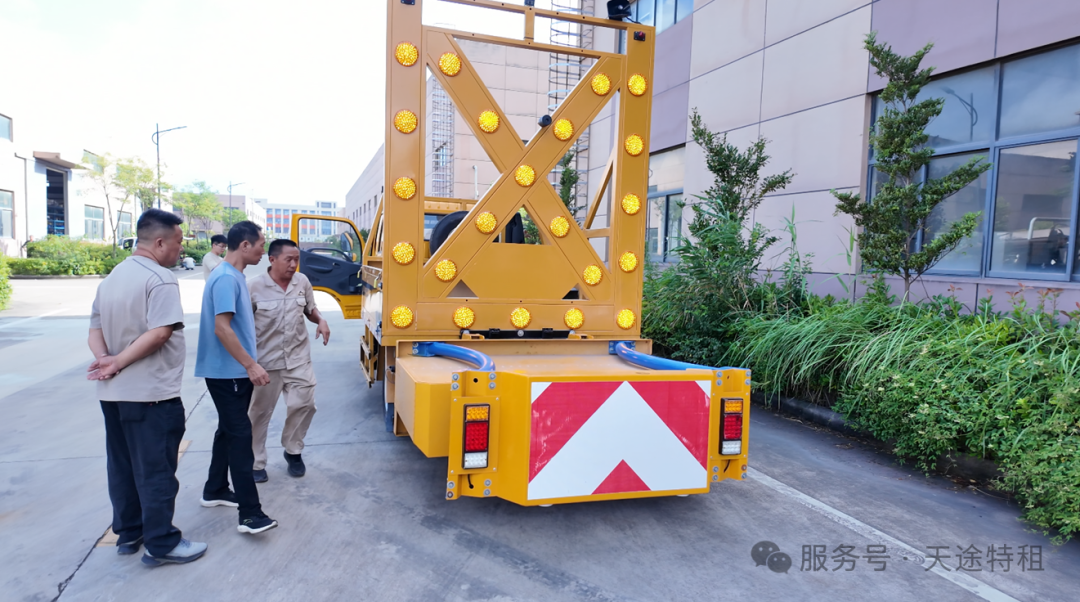
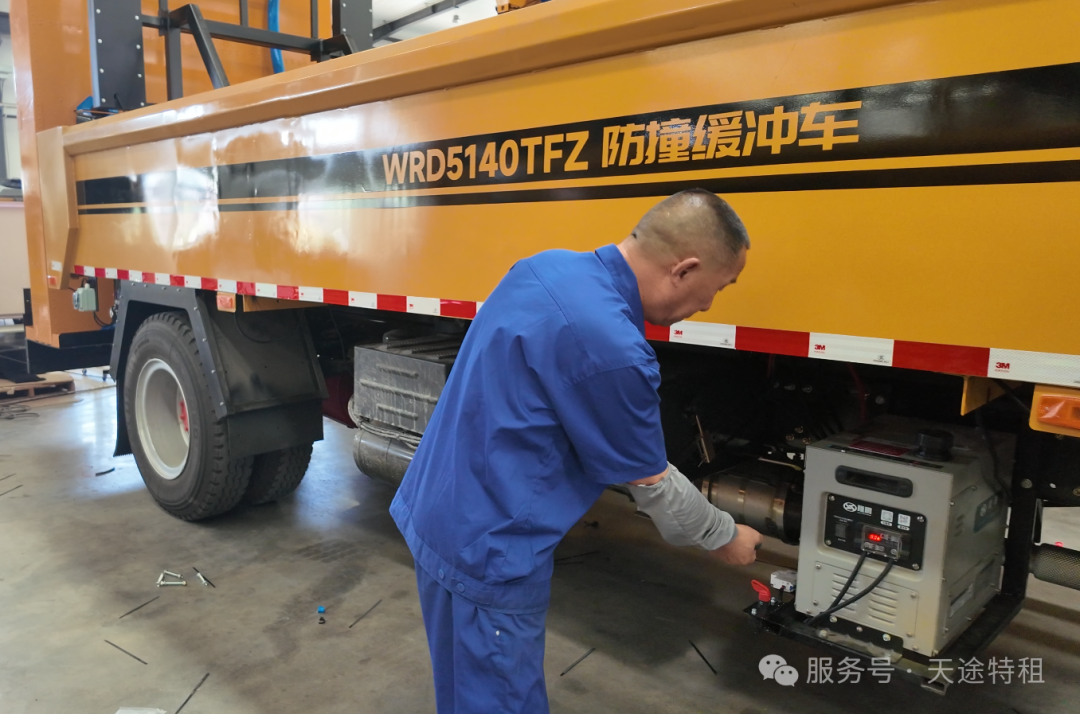
Low-price competition has become one of the most noticeable trends in the industry. To secure more orders, some suppliers continue to cut costs, allowing large numbers of assembled and modified vehicles to enter the rental market. Although these vehicles may look similar to properly manufactured crash attenuator trucks and offer attractive rental prices, they often conceal serious safety risks. Some use refurbished or reused aluminum honeycomb energy-absorbing components, lack valid certification reports, or have TMA (Truck-Mounted Attenuator) systems without complete testing documentation. Other vehicles are not included in the official vehicle announcements issued by China's Ministry of Industry and Information Technology (MIIT), or have incomplete annual inspection and insurance documentation.
These risks are often underestimated. The primary purpose of a crash attenuator truck is to absorb impact energy in the event of a rear-end collision, providing essential protection for workers at road construction sites. If the impact attenuation system fails to meet the required standards, the vehicle becomes little more than a piece of equipment that looks protective but cannot effectively absorb collision energy.
More importantly, when an accident involves an improperly modified or non-compliant vehicle, commercial insurance providers may refuse to cover the resulting losses. Contractors may then face disputes over liability for injuries, property damage, and other consequences. Incomplete documentation or falsified certifications can also cause project approval delays, suspension of work by supervising engineers, and costly disruptions to construction schedules.
This creates a difficult dilemma for many contractors. Construction schedules are often tight, urgent orders are common, and crash attenuator trucks must be deployed quickly. Although numerous rental vehicles appear to be available, verifying their condition, certifications, and insurance coverage can be time-consuming.
 |  |
 |  |
Choosing a cheaper vehicle may expose contractors to safety and project acceptance risks. On the other hand, selecting a fully compliant vehicle often involves higher rental costs and longer deployment times, making it less competitive during price comparisons. Contractors are therefore caught between the pressure to keep projects moving and the responsibility to maintain essential safety standards.
In a highly competitive market, lowering prices is easy, but maintaining standardized operations is far more challenging. A compliant crash attenuator truck requires substantial investment in vehicle procurement, genuine TMA systems, regular maintenance, annual inspections, insurance coverage, and documentation management.
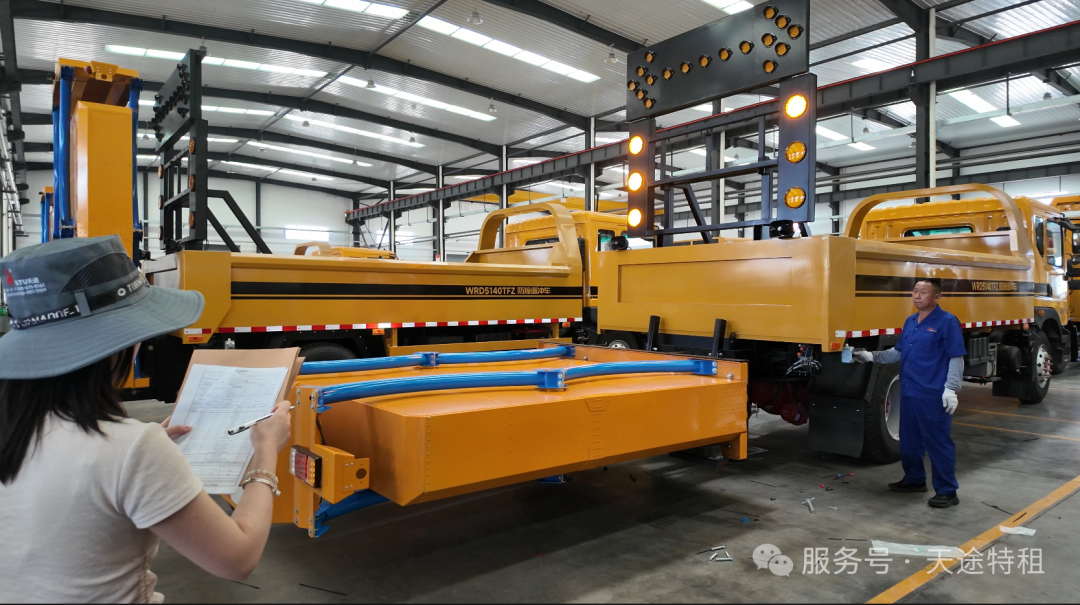
Standardized operations require a consistent vehicle verification process, including checks of certifications, vehicle condition, and insurance policies before deployment. They also require routine maintenance procedures, regular inspection and replacement of energy-absorbing components, clearly defined rental contracts, transparent allocation of responsibilities, and prompt on-site after-sales support.
These procedures may not be immediately visible in a rental quotation, but they form the foundation of effective risk management. Unfortunately, relatively few service providers are willing to make sustained investments in such systems while competing against low-cost alternatives.
Ultimately, the healthy development of the industry cannot depend on price competition alone. Compliance and safety are the foundations of long-term success.
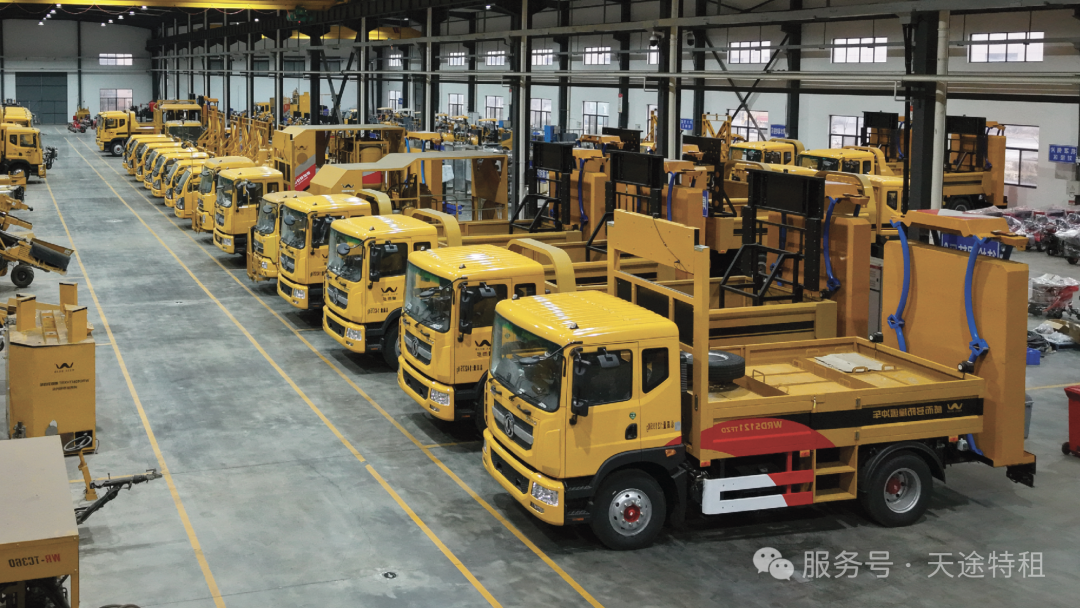
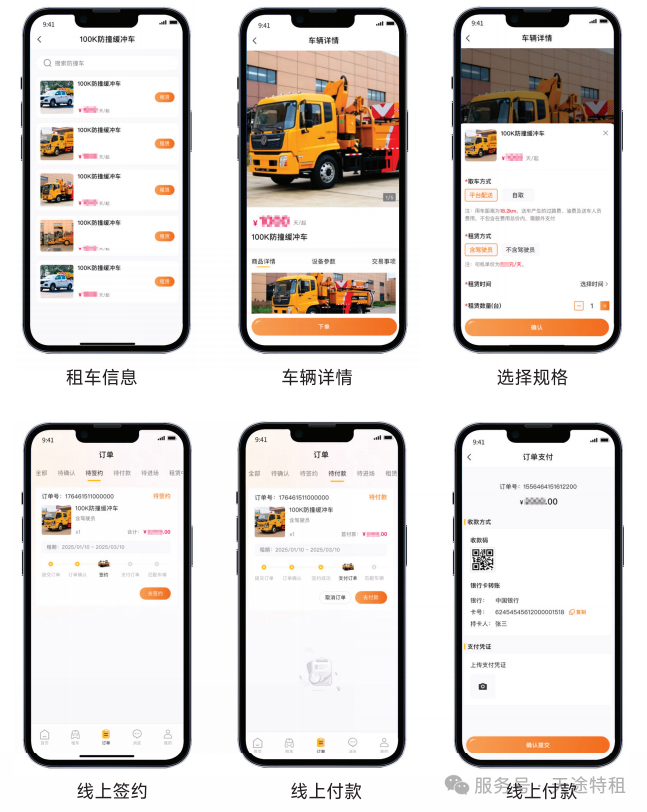
Drawing on our manufacturing expertise and industrial resources, we have developed Special Vehicle Rental, an online rental platform accessible through a mobile app and a WeChat Mini Program. The platform brings standardized vehicle verification and rental management processes online, making compliant crash attenuator trucks more accessible to construction companies.
All vehicles available through the Special Vehicle Rental platform undergo standardized verification. The platform primarily offers compliant 80K and 100K crash attenuator trucks, with vehicle models included in official MIIT announcements and equipped with certified TMA impact attenuation systems.
Complete vehicle documentation is available online, allowing contractors to access the information needed for project submissions, compliance reviews, and supervisory inspections.
Unlike traditional rental arrangements conducted through private contacts, Special Vehicle Rental provides a transparent and integrated rental experience. Vehicle availability, technical specifications, certification documents, and rental quotations can all be viewed online.
Customers can select vehicles, place orders, track rental progress, and coordinate after-sales services through a single platform. Vehicles undergo regular maintenance, while their operating conditions are continuously monitored and updated.
The platform also offers transparent pricing without hidden charges, cross-regional vehicle deployment for urgent projects, and rental contracts that clearly define the responsibilities of all parties. By prioritizing safety and compliance throughout the rental process, Special Vehicle Rental helps contractors avoid hidden risks and improve operational efficiency.
When the pressure of price competition eventually subsides, the service providers that remain competitive will be those committed to safety, compliance, and standardized operations.
After all, a crash attenuator truck represents much more than a set of documents required for project approval. At a road construction site, it serves as a critical final line of protection for the people working on the road.
WeChat Mini Program | APP |